5 AI-Powered Methods to Enhance Revenue Forecasts for Innovator Visa Startups

AI and Revenue Forecasting: A Perfect Match

Predicting revenue is hard—more so for an Innovator Visa startup juggling compliance and growth. Traditional spreadsheets will only take you so far. By weaving in visa application modeling with AI, you get sharper, faster insights to impress endorsing bodies and investors alike. This article dives into five proven, AI-powered methods to supercharge your revenue forecasts and keep those cash-flow nerves at bay.

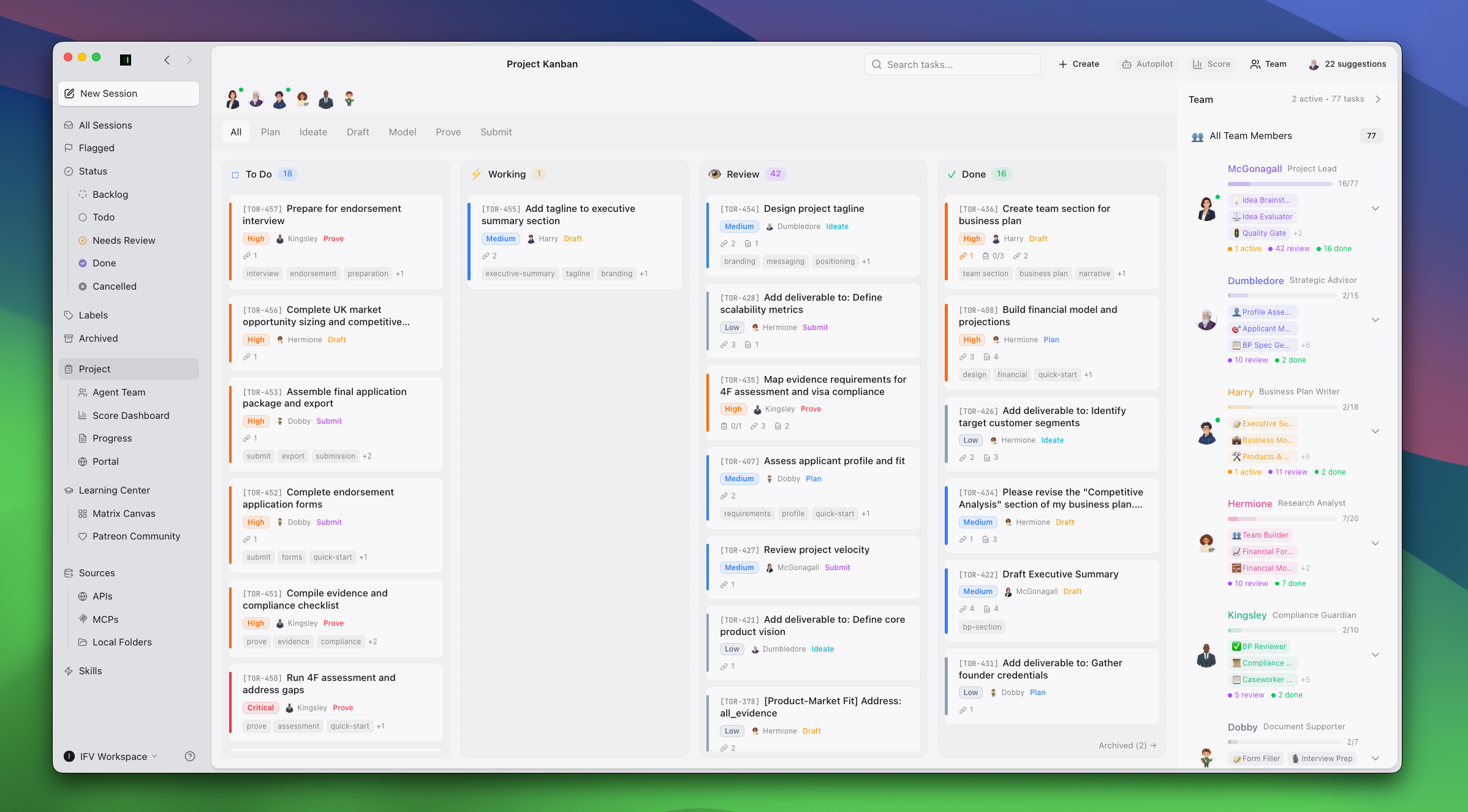
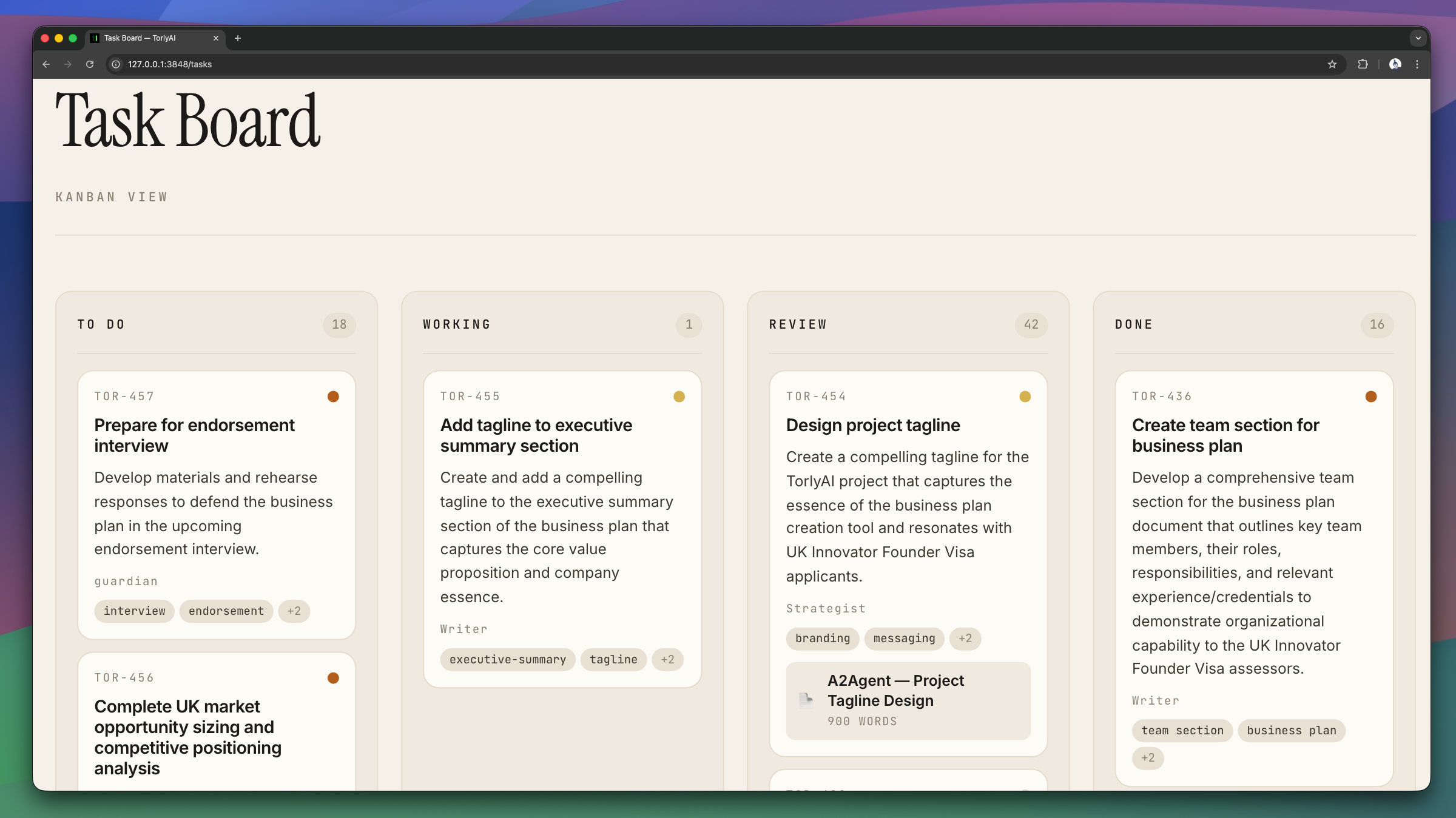
We’ll break down classic techniques—from ARIMA to scenario analysis—then show how your visa application modelling can level up with intelligent, real-time agents. Ready to see how cutting-edge tools tackle uncertainty? Learn more with AI-Powered UK Innovator Visa Application Assistant for visa application modeling as we guide you through each step.

Understanding Revenue Forecasting for Innovator Visa Startups

Innovator Visa founders face a dual challenge: proving innovative business viability while crafting bulletproof financial projections. Revenue forecasting isn’t just about numbers; it’s your roadmap. A crisp, data-driven model can tip endorsement decisions in your favour and secure essential funding.

But beware: traditional approaches often hinge on historical data alone. For emerging ventures, past performance is thin. You need models that adapt, learn, and even highlight potential risks before they materialise. That’s where AI-driven revenue forecasting shines—especially when paired with precise visa application modeling.

What Makes Forecasting Vital?

  • Builds credibility with endorsing bodies.
  • Guides cash-flow planning.
  • Helps you set realistic milestones.
  • Signals when to pivot or invest.

The Challenge of Traditional Models

  • Limited to linear growth assumptions.
  • Slow to update with new market data.
  • Struggle with seasonality and external shocks.
  • Offer little guidance on compliance or visa-specific metrics.

Auto-Regressive Integrated Moving Average (ARIMA) is a workhorse for time-series forecasting. It analyses how past values influence future performance—perfect for startups with a handful of months or years of revenue data.

How ARIMA works:
Auto-Regressive (AR): Past revenue points predict the next.
Integrated (I): Differencing makes the data stationary.
Moving Average (MA): Forecast errors refine predictions.

Pros:
– Solid baseline when you have clean data.
– Easy to implement in Python or R.

Cons:
– Less effective with sparse or erratic revenue streams.
– Requires manual parameter tuning.

Example: A SaaS Innovator Visa startup uses ARIMA to smooth out monthly subscription spikes. By coupling this with visa application modeling, you can forecast revenue while satisfying endorsing body document standards.

2. Exponential Smoothing: Weighing Recent Data More Heavily

Exponential Smoothing techniques, like Holt-Winters, assign greater weight to the latest revenue figures. For a young Innovator Visa company, recent traction often predicts near-term growth better than older data.

Key flavours:
Simple Exponential Smoothing: Good for level trends.
Holt’s Method: Captures trend.
Holt-Winters: Handles seasonality.

Pros:
– Swift to compute.
– Adapts quickly to sudden changes.

Cons:
– Can overreact to one-off spikes.
– May miss deeper structural shifts.

In practice, you’d pair this with your visa application modeling toolkit to ensure revenue scenarios align with investor pitch decks and compliance roadmaps. It’s especially handy if your product saw a pandemic-fuelled surge.

3. Machine Learning Regression: Beyond Linear Projections

Machine learning regression—from Random Forests to Gradient Boosting—lets you plug in multiple variables. Think marketing spend, user engagement, economic indicators, even endorsement success rates. These models learn complex patterns that simple time-series can’t capture.

Steps to implement:
1. Gather diverse features (social media mentions, website visits, investor interest).
2. Split data for training and validation.
3. Tune hyperparameters (depth, number of trees, learning rate).
4. Evaluate with metrics like MAE or RMSE.

Pros:
– Handles non-linear relationships.
– Scales with more data and features.

Cons:
– Requires more expertise and computing power.
– Risk of overfitting with small datasets.

When you use machine learning alongside visa application modeling, you can forecast not only revenue but also the likelihood of securing endorsements or hitting key milestones. That dual insight is a game-changer for founders. Midway through your planning, integrate automatic scenario tweaks to keep both finances and compliance on track. AI-Powered UK Innovator Visa Application Assistant for visa application modeling provides real-time feedback on both.

4. Facebook Prophet: Handling Seasonality and Holidays

Facebook’s Prophet library specialises in time-series decomposition. It natively handles weekly patterns, yearly seasonality, and holiday effects—great for retail or event-driven Innovator Visa ideas.

Why Prophet stands out:
– Automatic change-point detection.
– Intuitive parameters.
– Strong open-source community support.

Drawbacks:
– May smooth sudden market shifts.
– Requires careful holiday calendar setup.

Prophet shines when your product has clear seasonal peaks—think festival apps or holiday booking platforms. Combining Prophet with visa application modeling ensures you craft forecasts that reflect both market cycles and regulatory timelines.

5. Scenario Analysis Powered by AI Agents

Scenario analysis isn’t new, but AI-driven agents take it several notches higher. Imagine an agent that simulates best-case, worst-case and most-likely revenue paths based on real-time market signals and visa policy updates.

How it works:
– Agents ingest fresh data (competitor moves, regulatory tweaks).
– They spin up multiple forecast scenarios.
– They flag high-risk assumptions and suggest tweaks.

Pros:
– Dynamic, always up to date.
– Highlights blind spots.

Cons:
– Reliant on data quality.
– Might overwhelm with too many scenarios.

This level of forecasting, when tied to visa application modeling, means you’re not just predicting revenue—you’re stress-testing your Innovator Visa plans against policy changes and market tremors.

How Torly.ai Elevates Your Visa Application Modeling

You’ve seen the methods. Now let’s talk execution. Torly.ai combines cutting-edge AI agents with deep immigration expertise to streamline both forecasting and compliance. Here’s what makes it stand out:

  • 24/7 AI support to refine your revenue models and visa application modeling.
  • Instant assessments of business plans against UK Home Office and endorsing body criteria.
  • Gap identification: pinpoints missing data or weak assumptions in your financial projections.
  • Action roadmap: tailored steps to improve product-market fit, team structure, and investor appeal.

Maggie’s AutoBlog (our high-priority SEO content platform) can automatically generate blog posts on your revenue forecasting journey, saving you time and boosting your online presence.

By merging revenue methods like ARIMA or Prophet with Torly.ai’s visa application modeling engine, you get a one-two punch: solid financial forecasts that align perfectly with your Innovator Visa business plan.

Best Practices for Accurate Forecasting

  • Blend methods: Combine ARIMA and machine learning for robust results.
  • Update often: Refresh forecasts monthly—especially after major product or policy changes.
  • Validate assumptions: Use backtesting to check model accuracy.
  • Document everything: Endorsing bodies love clear audit trails.
  • Incorporate expert feedback: Engage with immigration lawyers or mentors to double-check your numbers.

Conclusion: Future-Proof Your Innovator Visa Startup

Accurate revenue forecasting is more than spreadsheets—it’s a strategic asset that impresses endorsers and steers your growth. By adopting AI-powered methods and pairing them with visa application modeling, you’ll navigate the Innovator Visa process with confidence and clarity.

Ready to level up? Let Torly.ai guide your forecasting and compliance, ensuring you hit every milestone with data-driven precision. AI-Powered UK Innovator Visa Application Assistant for visa application modeling