Extended Planning & Analysis vs AI-Driven Modeling: Choosing the Right Tool for Your UK Innovator Visa
Mastering Your Visa Projections: The Smarter Approach
Planning business forecasts for a UK Innovator Visa can feel like juggling flaming torches. You need accuracy, agility and a crystal-clear story. Traditional extended planning & analysis (xP&A) tools have their merits. But they’re often built for corporate finance, not immigration courts. Enter AI-driven modeling—a fresh take on your visa journey with tailor-made insights, real-time feedback and purpose-built assessments.
In this article, we’ll compare established xP&A platforms with a specialist, AI-powered alternative that focuses solely on your UK Innovator Visa application. You’ll get clear pros and cons, real examples and a checklist to decide which side of the fence you land on. Ready to level up your forecasts? Try our innovator visa planning software, the AI-Powered UK Innovator Visa Application Assistant for an instant taste of what AI-driven modeling can do.
Understanding Traditional Extended Planning & Analysis (xP&A)
xP&A tools like Lucanet have earned their stripes in large organisations. They promise unified financial and operational data, robust scenario planning and a single source of truth. Here’s what they bring to the table:
- Unified planning & reporting
Integrate data from HRIS, ERP, CRM and more, so finance and operations speak the same language. - Dynamic forecasting & budgeting
Real-time data and predictive analytics help you adjust forecasts on the fly. - Multi-dimension modelling
Slice and dice by product, region or timeline without drowning in Excel formulas. - Scenario analysis
Build multiple “what if” cases side by side to stress-test your projections. - Custom reporting
Deliver tailored insights to stakeholders, complete with granular permissions.
Sounds solid, right? But here’s the catch: xP&A platforms were never designed to tick all the boxes for an Innovator Visa endorsement. They excel at broad financial strategy—not at crafting the precise, evidence-backed business narrative you need for the UK Home Office.
Limitations of xP&A for Visa Applications
- Not industry-specific
No built-in criteria to assess “innovation” or “scalability” under Home Office rules. - Lengthy implementation
You could wait months to onboard and customise. Time you might not have. - Generic insights
Focus on profit, cost and revenue—rather than founder experience, market traction or tech readiness. - Manual adjustments
Even with less formulas, you still tweak spreadsheets to meet visa guidelines. - No tailored action plan
No step-by-step roadmap to fill gaps in your pitch.
When your aim is an Innovator Visa, these shortcomings can cost you endorsements—or worse, time.
The Rise of AI-Driven Modeling for Visa Applications
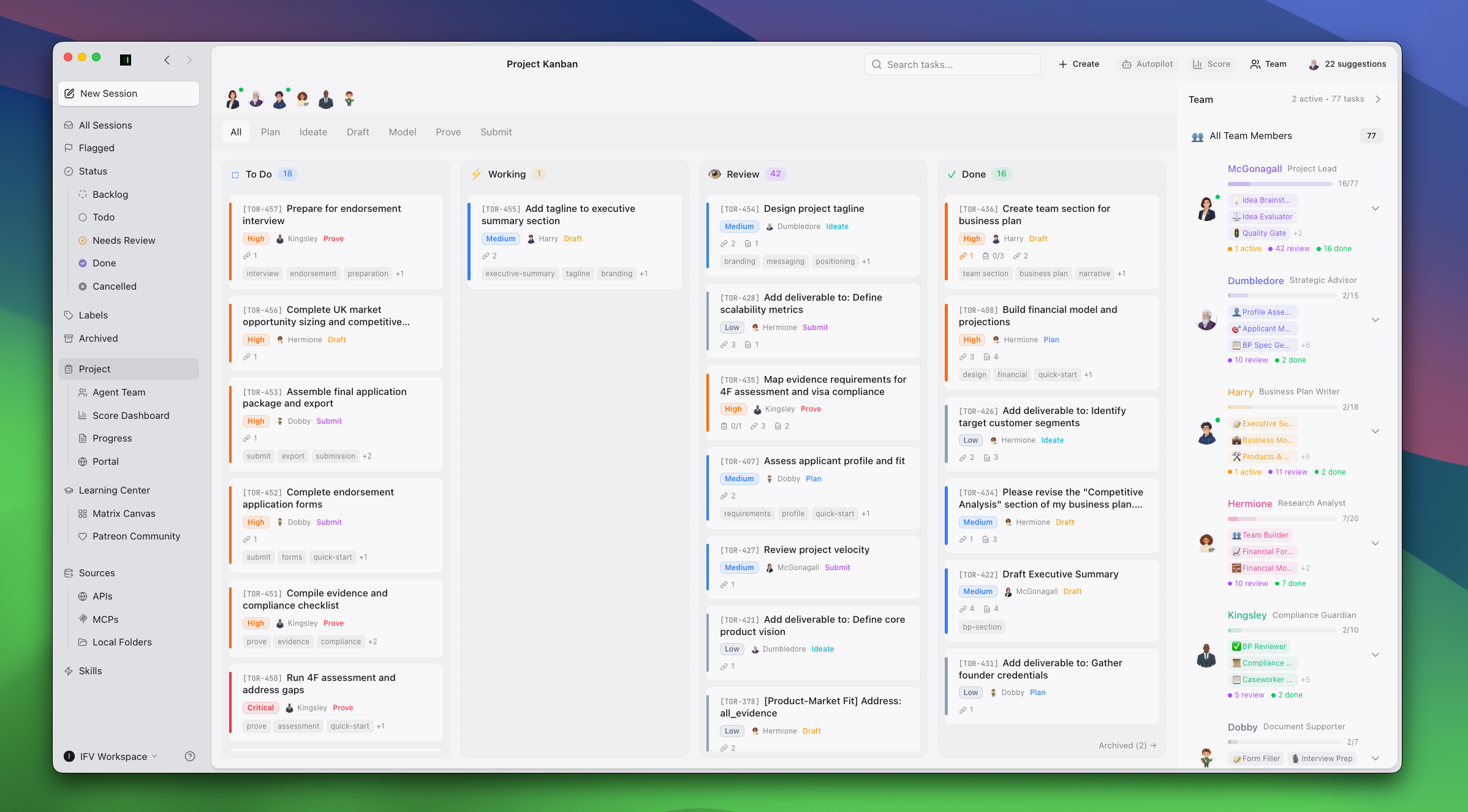
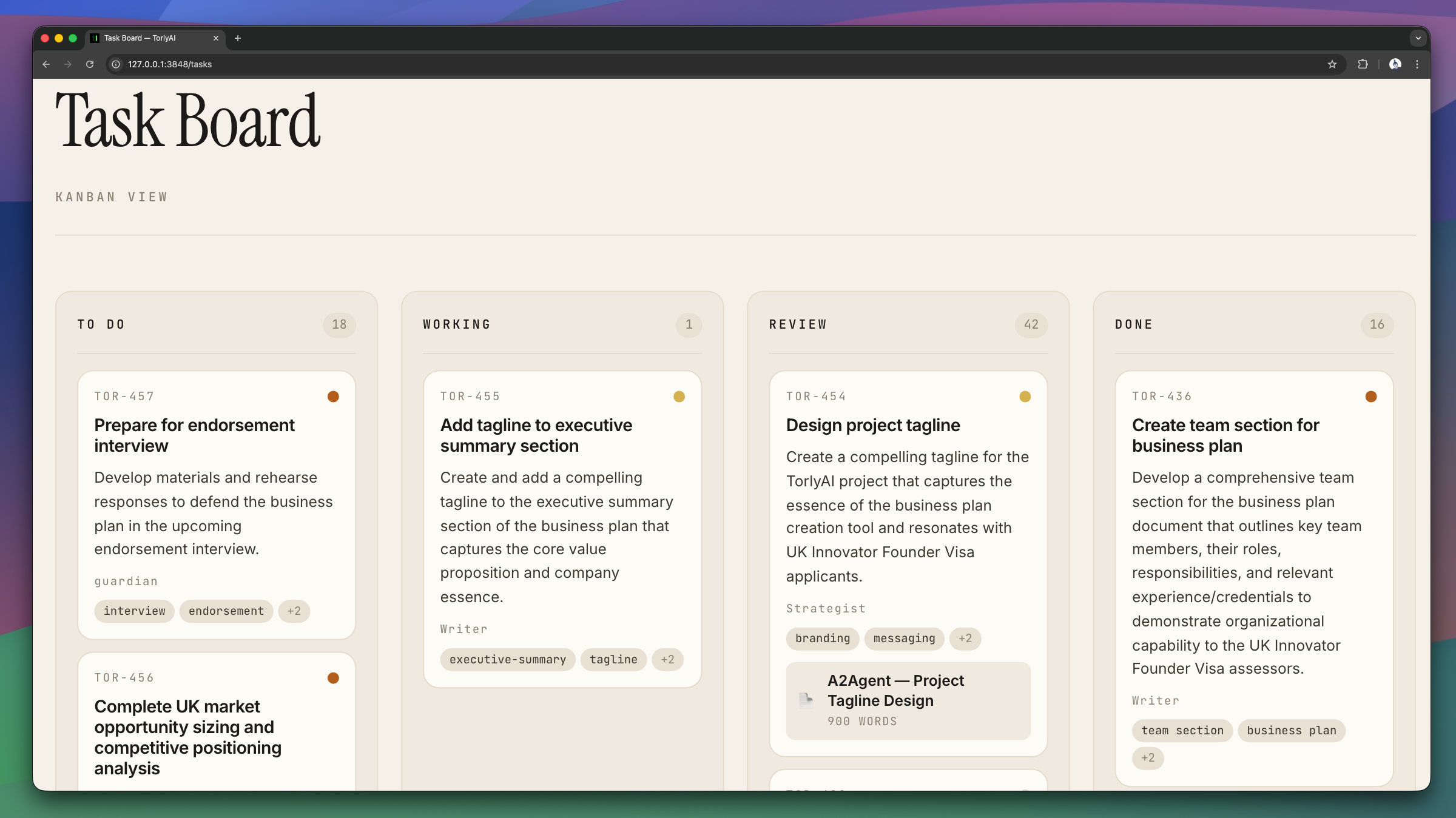
AI-driven modeling has leapt ahead in recent years. Instead of generic financial forecasts, you get a specialised visa readiness toolkit. That’s where Torly.ai shines. It’s not just another planning solution. It’s built from the ground up to guide UK Innovator Visa applicants through every step.
Key features of Torly.ai’s AI-driven modeling:
- Business Idea Qualification
Instantly checks if your venture meets innovation, viability and scalability standards. - Applicant Background Assessment
Analyses your expertise, experience and entrepreneurial track record. - Gap Identification & Action Roadmap
Generates clear tasks, from tweaking your tech stack to refining your team structure. - Continuous Real-Time Feedback
Adapts to changing visa rules and endorsing body trends. - 24/7 AI Support
No waiting for business hours—get guidance anytime.
This bespoke engine makes crafting compliant, bulletproof visa projections almost effortless.
Beyond Visa Planning: Content & SEO Support
Torly.ai isn’t a one-trick pony. Alongside the Innovator Visa modules, you can tap into Maggie’s AutoBlog—an AI-powered platform that auto-generates SEO and GEO-targeted blog content. Perfect if you want to boost your business’s online presence as part of your pitch.
Key Comparison: xP&A vs AI-Driven Modeling
Let’s put both approaches head-to-head on the metrics that matter for an Innovator Visa.
| Criteria | Traditional xP&A | AI-Driven Modeling (Torly.ai) |
|---|---|---|
| Visa-specific assessments | None | Built-in checks for Home Office and endorsing bodies |
| Implementation time | Weeks to months | Minutes to hours |
| Custom documentation | Manual and generic | Automatically tailored to visa guideline |
| Real-time updates | Limited | Continuous, based on live rule changes |
| Founder experience analysis | Not included | Core feature |
| Actionable roadmap | User-driven | Generated automatically |
| Support availability | Business hours only | 24/7 AI assistance |
| Success rate (historical) | Variable | 95% (based on historic data) |
Want hands-on proof? Get a personalised demo of our innovator visa planning software and see how AI-driven modeling handles exactly what you need.
Case Study: From Fragmented Sheets to Visa Endorsement
Meet Sarah. An ambitious entrepreneur with a biotech prototype. She started with a top-tier xP&A system to craft her financial forecasts. After weeks of spreadsheet wrestling, she still felt missing data:
- No clear validation of “innovation” under visa rules.
- Generic revenue models, not tailored to her R&D timelines.
- No guidance on founder qualifications or market traction evidence.
Sarah switched to Torly.ai. In less than 48 hours, she had:
- A robust business plan aligned with Home Office criteria.
- Detailed founder profile analysis highlighting her 10+ years of industry expertise.
- A step-by-step improvement plan to secure EB endorsement.
- Real-time scenario simulations for funding rounds and regulatory milestones.
Result? Her Innovator Visa application passed first time. All thanks to AI-driven modeling that plugged the exact gaps xP&A couldn’t fill.
Choosing the Right Tool for Your Innovator Visa
It boils down to one question: do you need a generic corporate planning suite, or a visa-focused assistant that understands Home Office and endorsing body standards? Consider these factors:
- Time constraints – You might not have months for setup.
- Compliance needs – Visa rules change fast. You need automatic updates.
- Tailored feedback – Generic data won’t convince an endorsing panel.
- Support level – 24/7 AI beats waiting for a consultant’s email.
- Success track record – Peer-reviewed success rates matter.
For most Innovator Visa applicants, the specialised approach wins out. And if you’re serious about streamlining your application, why wrestle with spreadsheets when an AI-powered solution exists?
Next Steps
If you’re weighing up your options, give AI-driven modeling a spin. It’s designed for founders, by founders. And it will handle the nitty-gritty so you can focus on your big ideas.
Start your free trial of our innovator visa planning software