Austria Visa Information · May 8, 2026
Navigating Austria Visa Requirements with Torly.ai’s Smart Assistance
Get up-to-date Austria visa requirements and see how Torly.ai’s AI-powered assistant simplifies your residence visa application from start to finish.

Austria Visa Requirements Demystified
Applying for a residence permit Austria can feel like navigating a maze of forms, deadlines and legal jargon. You’re not alone if you’ve spent hours wondering which visa category fits your travel purpose or what documents will satisfy the consulate. It’s easy to get stuck at “where do I even begin?”
Whether you’re planning to work, study or reunite with family, this guide breaks down the core steps for your residence permit Austria journey. You’ll learn about visa-free entry, short- and long-stay visas, key requirements and insider tips for a smooth application. Plus, see how Torly.ai’s Smart Assistance transforms complexity into clarity with personalised, AI-driven support. Get Torly.ai’s AI-Powered UK Innovator Visa Application Assistant to guide your residence permit Austria steps
Understanding Austria’s Visa Categories
Visa-Free Entry vs Visa Requirement
Citizens of EU member states, the EEA and Switzerland can enter Austria without a permit for up to 90 days in any 180-day period. If you belong to one of those groups, skip straight to planning your trip. Everyone else needs to check the Federal Ministry of the Interior website to see if you require a visa or not.
Short-Stay Schengen Visa (Visa C)
Known as the “Tourist Visa”, Visa C covers business visits, tourism or family stays up to 90 days. If you plan a longer stay, you’ll need to switch to a national visa. The consulate reviews each application on its own merits, so clarity and completeness matter.
National Visa (Visa D)
Visa D is your ticket for stays between 91 days and six months. It does not allow extension in Austria, so if your plans exceed half a year, you must apply for a residence permit Austria. This visa also permits up to 90 days in other Schengen states per 180 days, so long as you’re not working there.
Residence Permit Austria: An Overview
A residence permit Austria grants you permission to stay beyond six months and, in some cases, to work. Common types include the Red-White-Red Card for highly skilled workers, family reunion permits and student residence permits. The right category depends on your purpose and qualifications.
Who Needs a Residence Permit Austria?
Citizens Requiring Visas
If your passport is from a country listed under the EU’s visa requirement regulation, you must secure a residence permit Austria to stay longer than 90 days. Always check local consular advice, as rules can shift.
EU/EEA and Swiss Nationals
You don’t need a visa, but you must register with local authorities if you plan to stay beyond three months. Registration is straightforward, but missing it can lead to fines or complications down the road.
Third-Country Nationals
Whether you’re coming for work, study or to join family, third-country nationals need a residence permit Austria. The application must be lodged at the competent Austrian consulate within six months and no later than 15 days before arrival.
Key Requirements for a Residence Permit Austria
Application Windows and Deadlines
- Lodge your residence permit Austria application at the consulate up to six months before travel.
- It must be submitted at least 15 calendar days before your intended entry.
- Decisions on national visas (Visa D) can take up to six months; plan accordingly.
Documentation Checklist
For a standard residence permit Austria, you’ll need:
– A valid passport with at least two blank pages and issued within the last 10 years.
– Completed application form and ICAO-compliant photo.
– Biometric data (fingerprints) if not already on file within the past 59 months.
– Proof of financial means (bank statements or electronic sponsorship).
– Confirmation of health insurance covering at least €30,000.
– Purpose-specific evidence (admission letter for students, job contract for employees, letter of invitation for family visits).
Health Insurance and Financial Means
Medical coverage is mandatory. If you can’t prove funds from your own assets, an Austrian resident can submit an electronic declaration of sponsorship. Always verify with your consulate whether German translations are required.
Purpose and Duration of Stay
Every permit is tied to a purpose: employment, study or family reasons. Be clear about your intentions and provide verifiable evidence. Ambiguity leads to delays or refusals.
Step-by-Step Guide to Applying for a Residence Permit Austria
Choosing the Right Visa Category
Match your situation to one of the main paths:
– Short study courses: Visa D
– University degree: Student residence permit
– Employment: Red-White-Red Card or work visa
– Family reunion: Family permit
Preparing Your Documents
Use a checklist to avoid missing anything. Organise originals and certified copies. Include translations if requested. Keep an extra set for your records.
Submitting Your Application
Book an appointment at the Austrian consulate where you legally reside. Arrive early with all forms, photos and fees (€195 for Visa D over six years old). Biometric data capture may be on-site.
Tracking and Follow-Up
After submission, allow 15 working days for a Schengen visa or up to six months for a national visa. If you haven’t heard in the expected timeframe, write to the consulate. Always keep your application reference number handy. Secure personalised support for residence permit Austria with Torly.ai’s AI assistant
How Torly.ai Enhances Your Residence Permit Austria Application
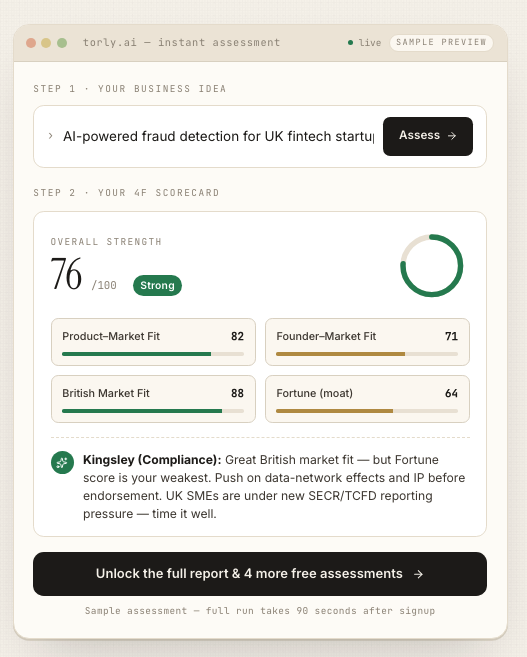
When the paperwork stacks up, Torly.ai acts like your personal visa analyst. It automatically scans your documents, highlights missing items and suggests improvements. Here’s how it helps:
- Business Idea Qualification: ensures entrepreneurial visas meet innovation criteria.
- Applicant Background Assessment: checks your profile against consular expectations.
- Gap Identification & Action Roadmap: gives clear steps to strengthen your application.
With 24/7 AI-powered feedback, you’ll never miss a detail for your residence permit Austria. Torly.ai’s dynamic scoring adapts to rule changes, so you’re always compliant.
Tips to Accelerate Your Residence Permit Austria Approval
- Start Early: begin gathering documents three months in advance.
- Use Checklists: tick off requirements to avoid surprises.
- Keep Proof Handy: bank statements, insurance and invitation letters should be current.
- Stay Informed: visa rules evolve; monitor the BMEIA website.
- Leverage AI: minimise human error with Torly.ai’s expert guidance.
Conclusion
Securing a residence permit Austria doesn’t have to be a headache. With clear categories, thorough preparation and a reliable AI assistant, you can bypass common pitfalls and focus on your plans in Austria. Torly.ai brings clarity and confidence to every visa step, from initial eligibility checks to final submission.
Ready to make your residence permit Austria application seamless? Get tailored AI assistance for your residence permit Austria with Torly.ai today