Historical Overview · May 5, 2026
Key Milestones in UK Innovator Visa Policy: A Timeline for Entrepreneurs
Explore the evolution of UK Innovator Visa criteria and discover how understanding policy milestones can strengthen your application strategy.

Introduction: Navigating a Changing Landscape
Ever felt lost in the maze of visa requirements? The UK visa rule evolution can look like an endless jigsaw puzzle. From early quotas to today’s Innovator Founder route, each tweak matters. Entrepreneurs need to stay two steps ahead.
This article walks you through key milestones in UK policy so you can spot patterns and plan right. As you read, remember that understanding visa rule evolution isn’t just academic. It’s your ticket to making a solid application every time. To track the visa rule evolution effectively, explore our AI-driven tool: Navigate visa rule evolution with our AI-Powered UK Innovator Visa Application Assistant.
Historical Overview of the Innovator Visa Scheme
The Roots of Entrepreneurial Migration
Immigration policy in the UK has always adapted to economic needs. Post-war rebuilding saw more relaxed rules for skilled migrants. By the 1990s, the points-based system emerged, aiming to attract talent rather than just family members.
That shift laid the groundwork for future entrepreneur-focused routes. Early schemes like the Tier 1 (Graduate Entrepreneur) piloted a new concept: backing individuals, not just big investors. The visa rule evolution here meant greater clarity on business plans, funding and eligibility.
Birth of the Innovator Route
In March 2019, the Innovator Visa replaced Tier 1 Entrepreneur. This was a big moment in the visa rule evolution timeline. Criteria tightened:
- A genuine, innovative business idea
- Endorsement by a Home Office-approved body
- £50,000 minimum investment (in most cases)
This change signalled that the UK wanted scalable ventures over lifestyle businesses. Entrepreneurs had to prove their concept’s novelty, viability and growth potential. In practice, that meant deeper due diligence and refined business planning.
Milestone Timeline: Key Dates and Policy Shifts
2011: Tier 1 (Graduate Entrepreneur) Pilots
The UK tested a new tier for recent graduates with high-potential ideas. A handful of universities endorsed applicants, giving them two years to develop. While limited in scale, this pilot taught authorities how to evaluate innovation claims.
2012: Tier 1 (Entrepreneur) Expansion
Building on the graduate scheme, the Tier 1 Entrepreneur route opened to a wider audience. Requirements included:
- £200,000 available investment funds
- Job creation targets within two years
It was straightforward but favoured those with significant capital. The visa rule evolution here showed a balance between attracting investment and ensuring local economic benefit.
2019: Innovator Founder Visa Launch
The Innovator Visa debuted, replacing the old Entrepreneur tier. Key changes:
- Endorsement replaced pure cash tests
- Focus on innovation, viability and scalability
- Lower investment threshold at £50,000
The endorsement model allowed experienced bodies to sift the serious founders from the rest. It also set the stage for more dynamic visa rule evolution driven by business performance, not just bank balances.
2021: Investment Threshold Adjustments
Responding to feedback, the Home Office relaxed some investment rules:
- Reduction of required funds for those who already hold a Start-up Visa
- Introduction of special rules for public-sector backing
These tweaks showed policy flexibility. The visa rule evolution was no longer a one-way street; it adapted to market realities and applicant profiles.
2023: Streamlined Endorsement Criteria
A major review in 2023 simplified endorsement body assessments:
- Standardised evaluation frameworks
- Faster decisions via digital portals
- Clearer guidance on business plan quality
Entrepreneurs saw reduced waiting times and greater transparency. This is where AI tools truly shine, helping you meet each criterion with precision.
Strategic Insights for Entrepreneurs
Understanding the visa rule evolution helps you craft a stronger strategy. Here’s how to make it work in your favour:
- Analyse past shifts. Spot patterns in policy updates to predict future changes.
- Choose the right endorsement body. Specialisms vary – pick one aligned with your sector.
- Build a detailed plan. Show clear routes to market, realistic financial forecasts and team structure.
To get hands-on support building that plan, Build your Business Plan NOW in our desktop app.
Role of AI in Visa Readiness
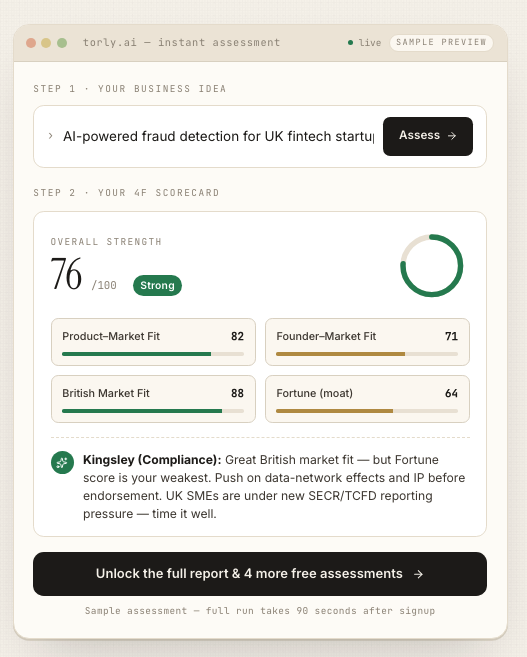
AI is transforming how entrepreneurs prepare applications. Platforms like Torly.ai scan your business idea against Home Office thresholds in seconds. You get:
- Instant feedback on innovation and viability
- Gap analysis highlighting missing documents or weak forecasts
- A bespoke action roadmap to strengthen your pitch
This speeds up prep and knocks out common pitfalls. Harness our AI-powered assistant for UK Innovator Founder Visa business plan preparation: Get your AI-powered assistant for UK Innovator Founder Visa business plan preparation.
Best Practices to Navigate Policy Changes
When policy shifts, time is of the essence. Follow these steps:
- Monitor official announcements from the Home Office.
- Join entrepreneur forums to share insights and early warnings.
- Use AI tools for real-time compliance checks.
- Archive each version of your business plan. Compare old and new requirements side by side.
By combining community wisdom with digital intelligence, you stay agile. And if change comes mid-application, you can pivot instantly.
The Competitive Edge: Why Torly.ai Stands Out
There are plenty of visa consultants and generic application services out there. But few offer:
- Multi-layered AI reasoning models tuned for UK Innovator criteria.
- Real-time updates as visa rule evolution continues.
- 24/7 support without extra solicitor fees.
With a 95% success rate and average 48-hour turnaround, Torly.ai delivers clarity and speed. Whether you’re a first-time founder or scaling your second venture, this platform adapts to your needs.
Conclusion: Next Steps for Ambitious Founders
The story of UK entrepreneur migration is still unfolding. As visa rule evolution continues, the winners will be those who anticipate change and prepare accordingly.
Review the milestones above, apply the strategic tips and use AI-driven analysis to keep your application rock-solid. If you haven’t yet tried our default resource, make today the day: Navigate visa rule evolution with our AI-Powered UK Innovator Visa Application Assistant.
And once you’re ready to crystallise your proposal, Build Your Endorsement Application with 6 AI Agents.
Good luck on your journey towards Innovator Founder success. The landscape may shift again, but with the right insights you’ll be ahead of the curve.